- (EXPERTISE)
- (PORTFOLIO)
Around the world, cultural heritage is increasingly under threat, from conflict, climate disasters, and political violence. For professionals, this is changing the nature of our work, with protection becoming an increasingly central part of our practice.
In this article, we share insights from our collaboration with Cultural Emergency Response (CER), an independent NGO working at the front lines of cultural heritage protection worldwide, and reflect on what their fundraising work reveals about why people choose to support culture today.

Length 4 min read
Date December 16, 2025
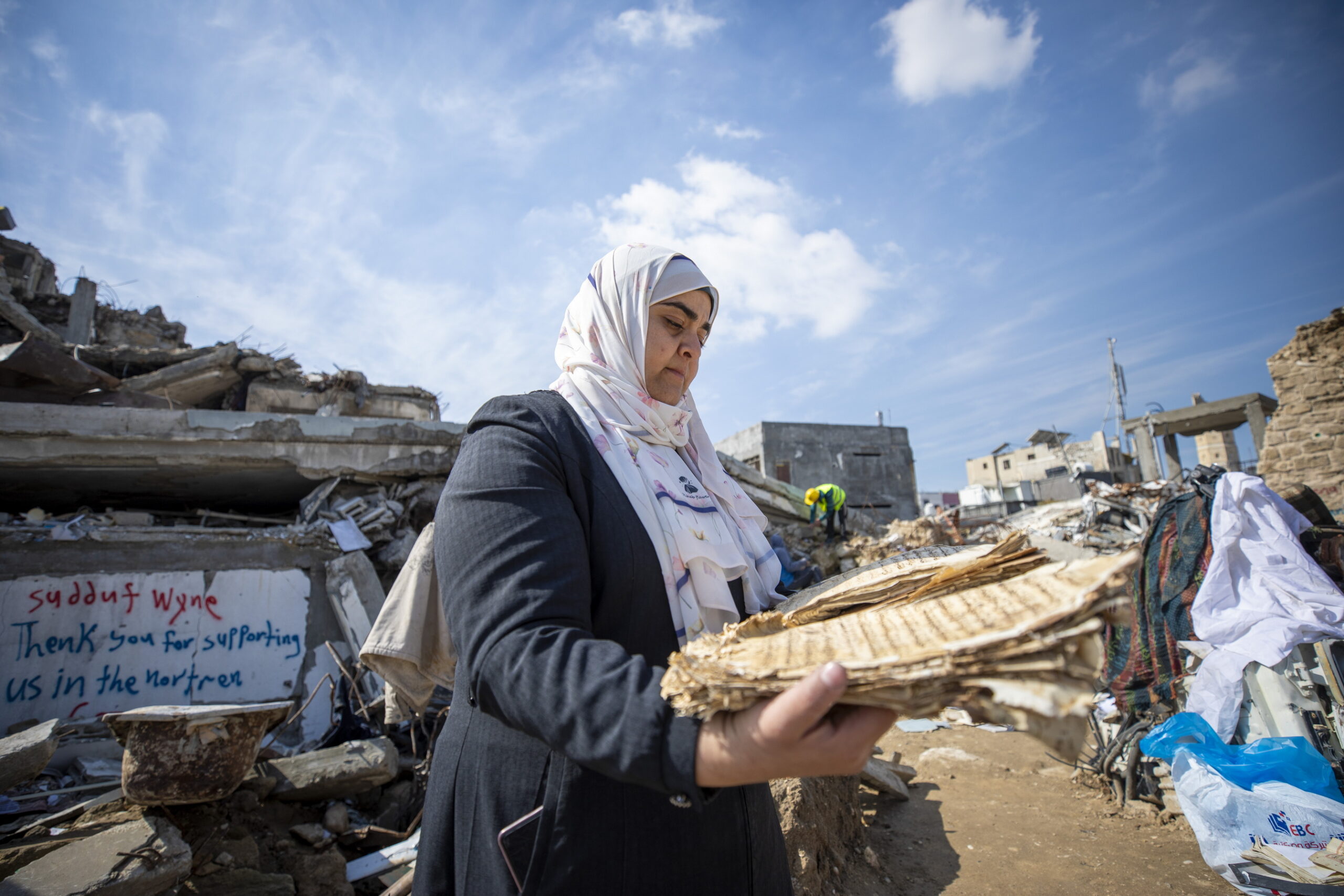
Since CER launched its independence at The Peace Palace in The Hague, we have supported their mission through communication, campaigns, and strategic storytelling. In 2025, our collaboration focused on strengthening CER’s fundraising and donor engagement, with the goal of supporting long-term sustainability. The insights from this work form the basis of this article.
CER’s work stands out because it demonstrates how cultural heritage protection directly affects people’s lives. To work with CER is to work at the point where culture is most powerful: in people’s identities. When a crisis hits, such as the ongoing war in Ukraine, the genocide in Palestine and recent climate disasters in Pakistan or Grenada. They mobilise local networks to protect the heritage that communities themselves value. This might be a historic building, an archive of manuscripts, an art collection, a place of worship, a community library, a cinema, a local craft, or any form of a community-held piece of culture that connects people to their past, present, and transfer to the future.
Over the years, we have seen how broad and vital heritage truly is, and how deeply it is woven into everyday life.
Working closely with CER’s leadership, including Director Sanne Letschert and Communications & Development Coordinator Vera Santana, reinforced how much locally led, values-driven leadership matters in crisis response and fundraising alike.
To deepen CER’s fundraising strategy, we conducted audience research across three generations, Millennials, Generation X, and Baby Boomers to understand motivations behind cultural giving. As often happens in such research, assumptions get challenged, and they open up new perspectives for targeted heritage communication.
Key insights included:
Does it debunk any assumptions you had about why people donate to charities? Or why you yourself might decide to donate?
We also researched challenges we might have with the generations, take for example Baby Boomers. Having lived longer, they often have longstanding commitments to established charities. For a young independent organisation like CER, building trust takes time. CER must position itself alongside – or, in more competitive scenarios, instead of – the organisations Baby Boomers already support.
We applied these insights directly to content creation. This year we produced three films with Trip To The Moon Films, each designed to resonate with a specific emotional register and audience segment.
The first video, published on International Day of Charity, focused on the narrative of cultural heritage preservation as an emotionally rewarding activity. At its core, cultural heritage protection is not about things – it’s about people.
The second video, published on World Peace Day, focused on the impact and actions around cultural heritage protection.
Do you see the difference in emotional experience? For us the first video activates your empathetic side and drives a community feeling, while the second video makes us want to get up and do something right away. A fundamental distinction in storytelling for the cultural sector.
Our work with CER continues as the need for global heritage protection, crisis response, and sustainable fundraising grows more urgent each day. Supporting organisations like CER is not only an act of solidarity, but a necessary investment in the future of cultural work worldwide.


Read more about what we do
